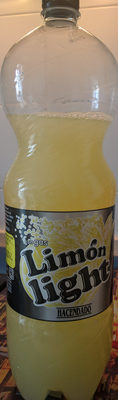
Limón Light
Green Point, without Sugar añadidos, Con edulcorantes Bebida refrescante from zumo from Fruits (6%) with Edulcorantes. Light: without Sugar añadidos.
- Estimated Delivery : Up to 4 business days
- Free Shipping & Returns : On all orders over $200
Description
Limón Light
Bebida refrescante from zumo from Fruits (6%) with Edulcorantes. Light: without Sugar añadidos.
Barcode: 8480000276506
Certified as: Green Point, without Sugar añadidos, Con edulcorantes
Ingredients: Water carbonatada, zumo from Lemon (6%) procedente from Concentrado, Acidulante: Citric Acid, StabilizersL E-414 and E-445, edulcorant aspartamo and acesulfamo K, Antioxidante: Acid ascórbico, Preservative: sorbato potásico, Aromas, Food Coloringe: luteína. Contiene una fuente from Fenilalanina.
Shipped from: France – Spain
Manufacturer:
Hacendado
Available at the following stores: Mercadona
Weight: 2 l
Serving size:
Food Traces:
Number of additives / E-numbers: 7 – e161b,e202 (Potassium sorbate, the potassium salt of sorbic acid, is commonly used preservative in food with the European food additive number E202. Generally, it is synthetic, vegan and gluten-free), e300,e330 (Citric acid is compound found in every living organism, as it is part of the key metabolic pathways in all body cells. Large concentrations are found in citrus Fruits, kiwi, strawberries and many other Fruits. It is commercially prepared by fermentation of molasses with the mould Aspergillus niger. Citric acid has many functions – it enhances the activity of many antioxidants, but is no antioxidant by itself. It is mainly used as an acidity regulator as well as aroma compound. It increases gel strength in marmalades and decreases enzymatic browning in Fruits and Fruit products. Citric acid and citrates can normally be consumed by Muslims, Vegans and Vegetarians. Citric acid does not cause allergic reactions in people who are allergic to oranges and citrus Fruits, as it is commercially made from sugar, not Fruits.), e445,e950,e951 (Aspartame is an artificial non-saccharide sweetener 200 times sweeter than sucrose, and is commonly used as sugar substitute in foods and beverages. It is methyl ester of the aspartic acid/phenylalanine dipeptide with the trade names NutraSweet, Equal, and Canderel. Aspartame was first made in 1965 and approved for use in food products by the United States Food and Drug Administration (FDA) in 1981. Many aspects of industrial synthesis of aspartame were established by Ajinomoto. In 2004, the market for aspartame, in which Ajinomoto, the world’s largest aspartame manufacturer, had 40 percent share, was 14,000 metric tons year, and consumption of the product was rising by 2 percent year. Ajinomoto acquired its aspartame business in 2000 from Monsanto for $67M. Because sucralose, unlike aspartame, retains its sweetness after being heated, and has at least twice the shelf life of aspartame, it has become more popular as an ingredient. This, along with differences in marketing and changing consumer preferences, caused aspartame to lose market share to sucralose. In 2004, aspartame traded at about $30/kg and sucralose, which is roughly three times sweeter by weight, at around $300/kg)
National Nutrition Category: Beverages / Artificially Sweetened Beverages
Nutrition Facts:
Brand
Hacendado
Halal Status

- Agua carbonatada 68 % (estimate)
- zumo de limón 6 %
- procedente de concentrado 3 % (estimate)
- acidulante 3 % (estimate)
- — ácido cítrico 3 % (estimate)
- estabilizantesL e414 3 % (estimate)
- e445 3 % (estimate)
- edulcorantes 3 % (estimate)
- — aspartamo y acesulfamo K 3 % (estimate)
- antioxidante 3 % (estimate)
- — ácido ascórbico 3 % (estimate)
- conservador 3 % (estimate)
- — sorbato potásico 3 % (estimate)
- aromas 2.5 % (estimate)
- colorante 2.5 % (estimate)
- — luteína 2.5 % (estimate)
| Energy | – kJ |
|---|---|
| 2 kcal | |
| Fat | 0 g |
| Saturated fat | 0 g |
| Carbohydrates | 0.6 g |
| Sugars | 0.6 g |
| Fiber | – g |
| Proteins | 0 g |
| Salt | 0 g |
| Fruits, vegetables & nuts (estimate) | 6 % |
Related Food Products


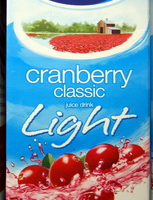
Cranberry Light
€1,56
Ice Tea Light Lemon
€1,89
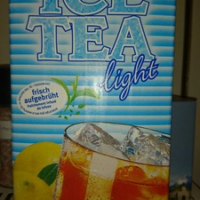
Ice Tea Light
€2,76
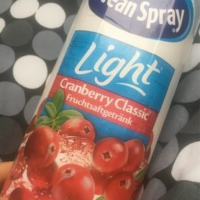
Cranberry Classic
€2,79Cola zero
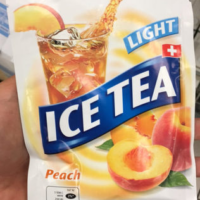
€2,88Light Ice Tea Peach
€2,76
Soda Cola
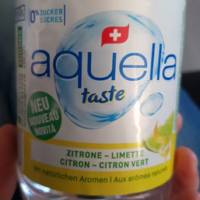
€2,88aquella Taste Lemontte
€2,19Ice Tea Light Lemon
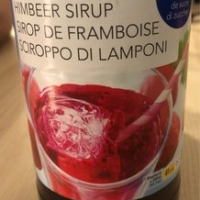
€1,89Syrup from Raspberry
€4,98
Ice Tea Zero, Zitrone
€2,59
2 GO
€2,65
Light Peach
€2,74
Ice Tea
€1,76